
What to Expect During Professional Wildlife Removal Service
People seeking wildlife removal typically want pests safely and humanely removed from their property, and local service providers can handle the job efficiently and professionally.
If you're wondering what to expect during professional wildlife removal service, you're in the right place. Property owners in the area often seek out these services to address unexpected visits from animals such as raccoons, squirrels, or bats that may have taken up residence in or around their homes. Knowing what the process involves can help ease concerns and prepare you for the steps involved. Local contractors specializing in wildlife removal typically start with an assessment to identify the animals and determine how they entered the property, ensuring that the removal process is both efficient and humane. This initial evaluation sets the stage for a smooth experience and helps ensure that the property is protected from future encounters.
Throughout the wildlife removal process, property owners can expect a combination of targeted animal exclusion techniques and safe removal methods. Experienced service providers focus on humane practices that prioritize the well-being of the animals while effectively resolving the issue. After the animals are removed, local pros often perform repairs or seal entry points to prevent re-entry, giving peace of mind that the property is protected moving forward. Understanding what happens during professional wildlife removal service can help property owners feel more confident in the process, knowing that experienced professionals are equipped to handle the situation efficiently and responsibly.
- Wildlife exclusion - when animals have entered a building or attic, local contractors implement targeted exclusion methods to safely remove them and prevent future entry.
- Habitat modification - if wildlife is nesting nearby or causing damage, service providers may recommend altering the environment to discourage their presence.
- Animal trapping and removal - in cases where animals are inside a property, local pros utilize humane trapping techniques to safely capture and relocate wildlife.
- Damage repair and sealing - after wildlife removal, contractors often perform repairs to eliminate entry points and restore the affected areas.
- Inspection and assessment - during the service, professionals thoroughly evaluate the property to identify wildlife activity and plan appropriate removal strategies.
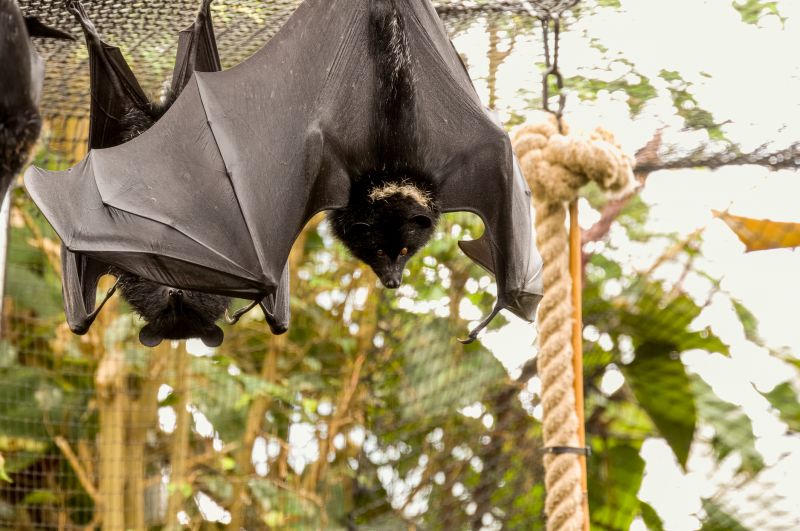
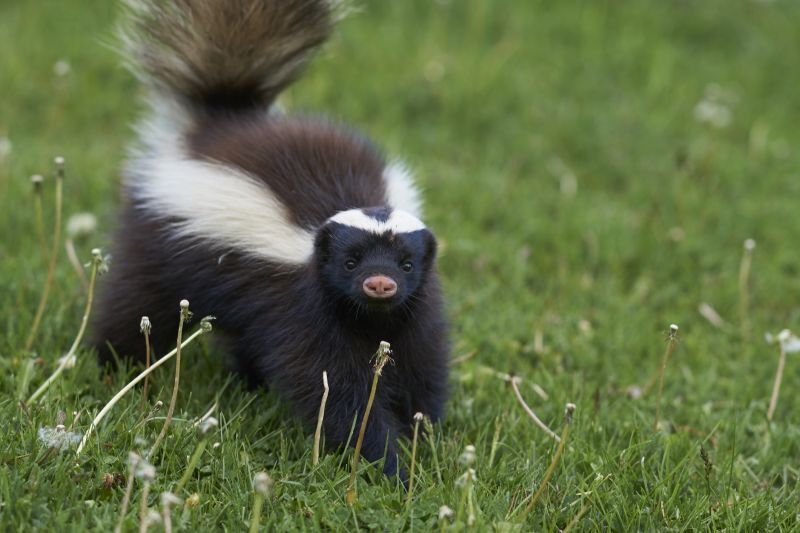
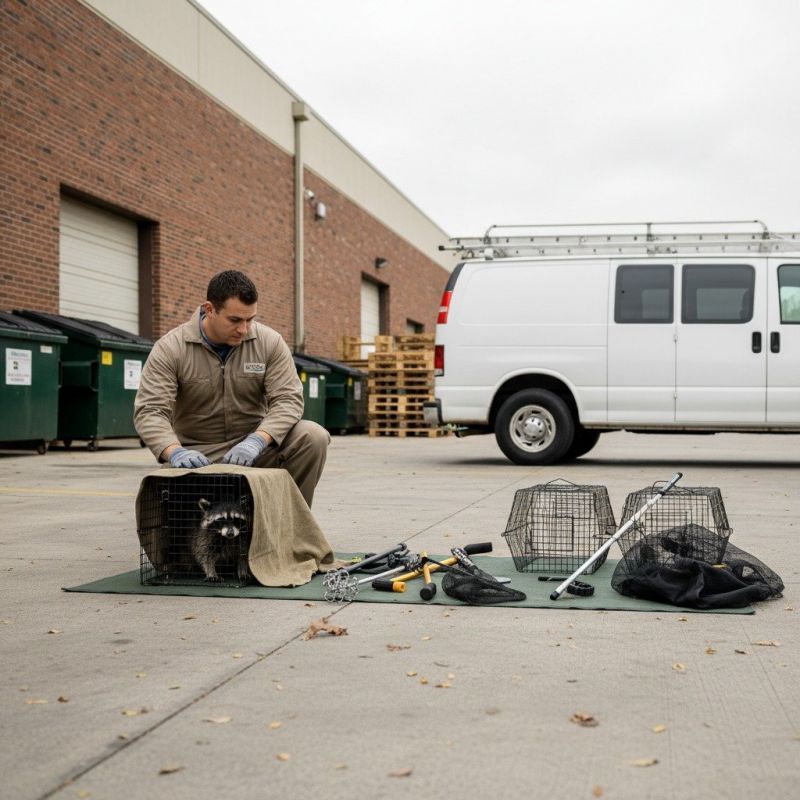
When searching for information about what to expect during professional wildlife removal service, homeowners are often trying to understand the general process involved in removing animals such as raccoons, squirrels, bats, or birds from their properties. These services are typically sought when animals have taken up residence in or around a home, often causing property damage, noise, or health concerns. People want to know how the removal process works, how long it might take, and what kinds of steps are involved to ensure the animals are safely and humanely removed. Understanding this helps homeowners feel more prepared and confident when engaging with local contractors who specialize in wildlife removal.
The problems prompting the need for wildlife removal services usually relate to animals accessing areas where they shouldn’t be, such as attics, chimneys, walls, or crawl spaces. Common plans involve not only removing the animals but also sealing entry points to prevent future invasions. Property owners may also be concerned about the mess left behind, such as droppings or nesting materials, which can pose health risks. Wildlife removal professionals typically assess the extent of the problem, develop a plan to safely trap or exclude the animals, and then execute the removal process while minimizing disruption to the property. This comprehensive approach ensures that the property is restored to a safe, animal-free state.
Properties that frequently come up in wildlife removal services tend to be residential homes, especially those with attics or roof spaces that provide easy access for animals. Other common structures include barns, sheds, garages, and outbuildings that may have gaps or openings allowing wildlife to enter. Certain types of properties, like older homes or those with tree branches close to the structure, are more prone to animal invasions. The scope of the work can vary depending on the property’s layout and the extent of the infestation. Local service providers are experienced in handling a wide range of property types, ensuring the removal process is tailored to each specific situation and property design.
During professional wildlife removal service, homeowners can generally expect a thorough inspection of the property to identify animal entry points, nesting sites, and signs of infestation. The process often involves trapping or excluding the animals, which may include setting humane traps or installing barriers. Once the animals are removed, the service typically includes sealing off access points to prevent re-entry, and cleaning up any mess left behind. The entire process aims to be efficient and minimally invasive, with the goal of restoring the property’s safety and integrity. Local contractors are equipped to handle these tasks professionally, ensuring that the removal is completed effectively and with attention to detail.
Attic Insulation Removal - local contractors often handle insulation removal when wildlife has contaminated or damaged it, requiring careful planning similar to wildlife removal procedures.
Animal Damage Repairs - repairing entry points and structural damages caused by wildlife involves skills in planning and execution comparable to those used in wildlife exclusion efforts.
Bird Control Services - managing bird populations and preventing nesting is a project that shares planning and tool usage with wildlife removal services.
Rodent Exclusion Projects - sealing entry points and establishing barriers to keep rodents out parallels the techniques used during wildlife exclusion and removal.
Nest Removal and Cleanup - safely removing nests and cleaning affected areas requires similar safety precautions and planning as wildlife removal services.
Pest Prevention Consultations - providing advice on preventing future wildlife intrusions involves assessment skills akin to those in wildlife removal projects.
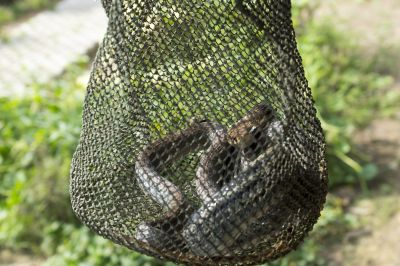
When comparing wildlife removal service providers, it is important to consider their experience with similar projects. Homeowners should seek out local contractors who have a history of handling wildlife issues comparable to their situation. An experienced service provider will be familiar with the common challenges associated with different types of wildlife and will be better equipped to implement effective removal strategies. Additionally, understanding a contractor’s track record can help ensure that the wildlife removal process proceeds smoothly and efficiently, minimizing potential complications or repeat visits.
Clear, written expectations are essential when evaluating wildlife removal services. Homeowners should look for providers who are willing to outline the scope of work, including the methods used for removal, any follow-up procedures, and guarantees regarding the completion of the project. Having these details in writing helps prevent misunderstandings and provides a reference point for what the service entails. It also allows homeowners to compare different providers more effectively, ensuring that the chosen contractor’s approach aligns with their expectations and needs.
Reputable references and good communication are key indicators of a reliable wildlife removal service provider. Homeowners should ask for references or reviews from previous clients to gain insight into the quality of work and professionalism. A service provider who communicates clearly and promptly can make the process less stressful by providing updates, answering questions, and explaining the steps involved. When choosing a local contractor, it is beneficial to prioritize those who demonstrate transparency and responsiveness, as these qualities often reflect a commitment to customer satisfaction and thoroughness during the wildlife removal process.
Property owners often search for what to expect during professional wildlife removal service when they are planning practical projects around their homes and businesses. Local pros provide Wildlife Removal services for everyday jobs and straightforward project options.
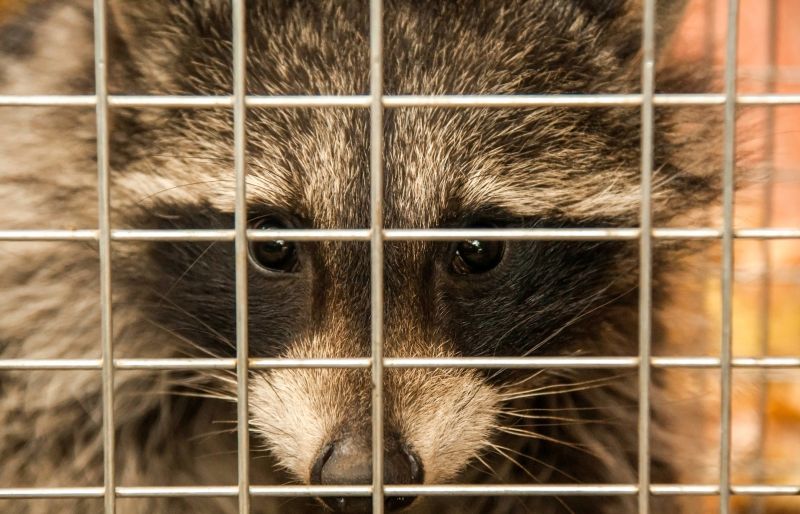
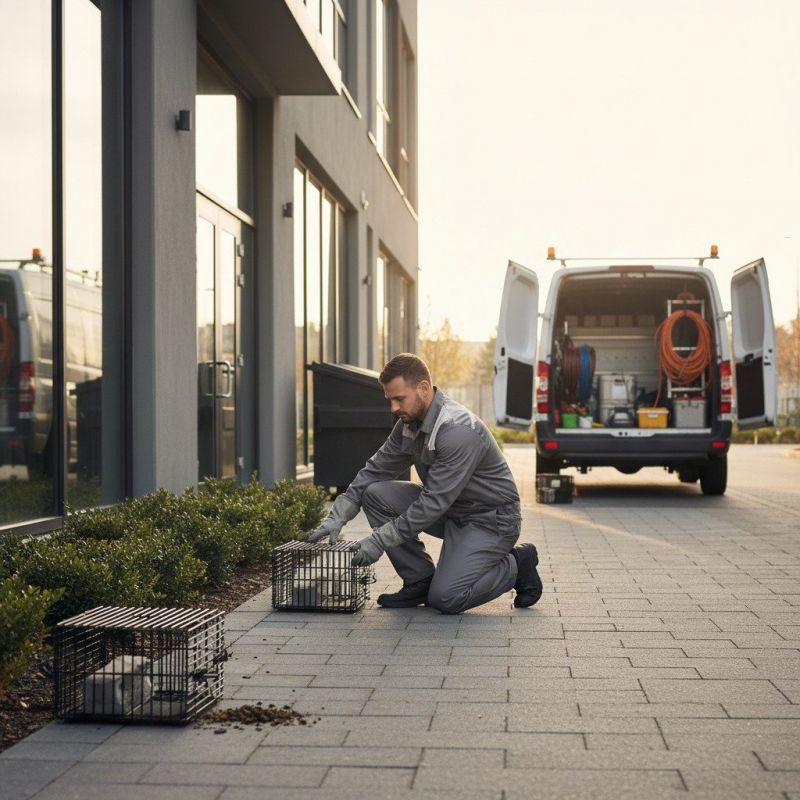
During professional wildlife removal service, property owners can typically expect a thorough assessment of the affected areas to identify the species involved and locate entry points. Local contractors often begin with a careful inspection to determine how animals are accessing the property, whether through gaps, vents, or damaged structures. Once the scope of the issue is understood, they may implement humane removal methods to safely relocate the wildlife, minimizing disruption to both the animals and the property. The process usually involves sealing entry points to prevent future visits, ensuring the property is secure after the animals are removed.
People seeking wildlife removal services often do so because they notice signs like unusual noises, droppings, or damage to their property. During the service, property owners can expect clear communication about the steps involved, from removal to exclusion. Local service providers prioritize humane practices and aim to resolve the issue efficiently, reducing the likelihood of animals returning. After the removal, some contractors may also provide advice on maintenance or repairs to keep the property wildlife-proof, helping owners feel more confident about the long-term effectiveness of the service.
What happens during a wildlife removal service? During a wildlife removal service, local contractors typically inspect the property to identify the wildlife species and entry points, then implement humane exclusion methods to prevent future access. They may also remove any animals currently inside and clean affected areas as needed.
Will the wildlife be harmed during removal? Professional wildlife removal services aim to use humane techniques that avoid harming animals. Local service providers focus on safe exclusion methods to ensure animals are relocated without injury.
What should homeowners expect during the process? Homeowners can expect a thorough inspection, targeted exclusion work, and possibly minor repairs to seal entry points. The process is designed to be minimally disruptive while effectively resolving wildlife issues.
Are there any cleanup procedures involved? Yes, wildlife removal services often include cleanup of droppings, nests, or other debris left by animals, helping to restore a clean and safe environment inside and around the property.
How do local contractors ensure wildlife does not return? Local service providers implement exclusion techniques such as sealing entry points and installing barriers, which help prevent animals from re-entering the property after removal is complete.
Inspection Process - Local contractors will assess the property to identify entry points and nesting areas used by wildlife.
Removal Techniques - Professionals use humane methods to safely remove animals without causing harm or damage to the property.
Exclusion Measures - Service providers will recommend or install barriers to prevent future wildlife from re-entering the space.
Post-Removal Cleanup - Experts will clean and sanitize affected areas to restore safety and prevent odor issues.
If you are thinking about what to expect during professional wildlife removal service for a property, this guide is meant to help you understand this topic, the typical project types, and how different options might fit your plans.
When you are ready, you can use the quote form on this page to share a few details about your project. From there, local pros can review the basics and follow up with options that match what you have in mind.