
Bat Infestations in Homes: Health Risks and Safe Removal
To safely remove bat infestations in homes and reduce health risks, local contractors specialize in effective bat exclusion and removal services.
If you’ve noticed signs of bats in your home, it’s understandable to feel concerned about the potential health risks and property damage they can cause. Bat infestations in homes: health risks and safe removal is a topic many property owners in the area explore to better understand how to protect their families and their investments. Bats can carry diseases that may be transmitted to humans, and their droppings can lead to respiratory issues or attract other pests. Exploring this subject helps homeowners identify when professional assistance might be needed to ensure the removal process is safe, humane, and effective.
Local service providers specializing in bat removal understand the importance of addressing these infestations carefully and responsibly. They can evaluate your property to identify entry points and recommend solutions that prevent future issues, all while prioritizing safety and health. Whether you’re seeking to understand the risks or looking for a trusted partner to handle the removal, continuing to read can help you gather the practical information needed to make informed decisions about protecting your home and loved ones.
- Bat Infestation Removal - Homeowners noticing signs of bat activity may seek professional removal to prevent health risks and property damage, with local contractors employing humane exclusion methods.
- Health Risks of Bat Infestations - Those concerned about potential health hazards like disease transmission often turn to local service providers for safe removal and cleanup solutions.
- Safe Bat Removal Services - When families want to eliminate bats without harm, local pros use proven techniques to safely remove bats and seal entry points.
- Detecting Bat Entry Points - Property owners suspecting hidden bat colonies may contact local contractors to identify and block access points, reducing infestation risks.
- Preventing Future Bat Infestations - Individuals seeking long-term solutions to bat problems often consult local experts for exclusion and prevention strategies.
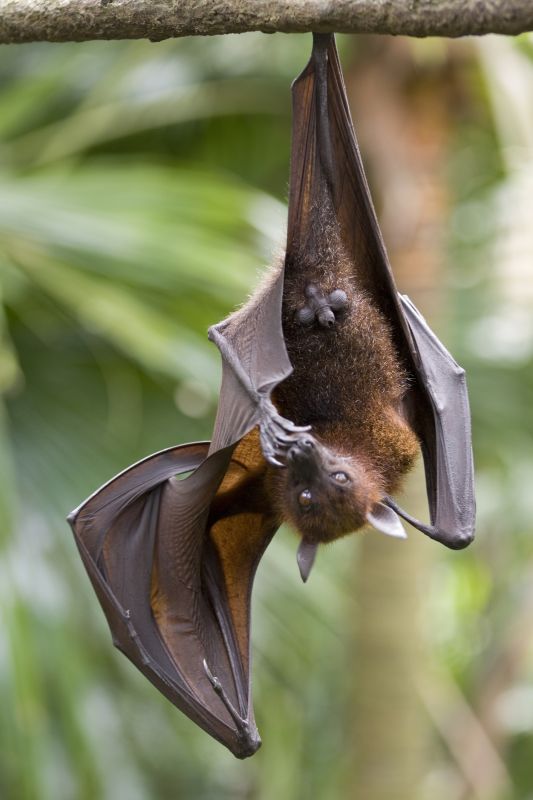
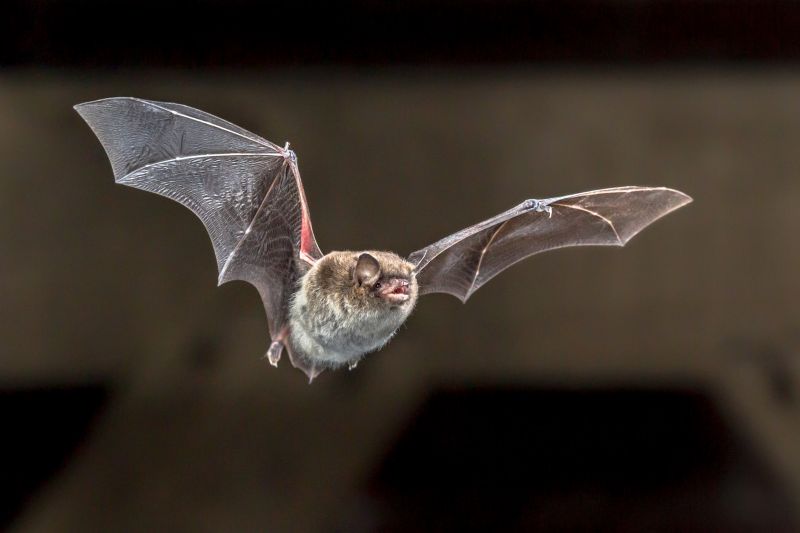
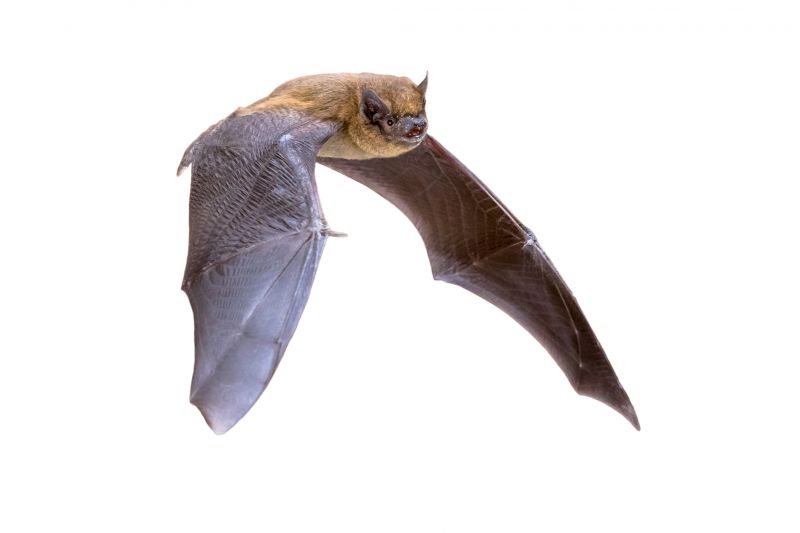
When people search for information about bat infestations in homes: health risks and safe removal, they are typically concerned about the presence of bats roosting in or around their property and the potential dangers this situation can pose. These searches often stem from noticing signs such as bat droppings, strange noises in the attic, or discovering bats during routine inspections. Homeowners want to understand the risks associated with having bats nearby, especially related to health hazards like disease transmission or structural damage, and they are seeking effective, humane methods to remove bats safely. This topic connects to broader plans of protecting family health, maintaining property integrity, and ensuring that any removal process complies with local regulations and safety standards.
The problems associated with bat infestations in homes: health risks and safe removal are multifaceted. Bats are known carriers of diseases such as rabies, which can be transmitted through bites or contact with contaminated materials like droppings. Their droppings can also lead to the growth of mold or fungi that may cause respiratory issues. Additionally, bat colonies can cause structural damage over time, as their guano accumulates and deteriorates building materials. Homeowners often plan to address these issues by seeking professional removal services that prioritize safe exclusion and cleanup, ensuring that bats are removed humanely without causing harm to the animals or the residents. Proper removal also involves sealing entry points to prevent future infestations.
The types of properties most commonly affected by bat infestations include attics, eaves, chimneys, and roof spaces, especially in older or poorly maintained buildings. Residential homes, especially those with accessible roof lines or gaps in siding, are frequent targets for bat colonies seeking shelter. Some properties, such as barns, storage sheds, or other outbuildings, may also attract bats, particularly if they offer dark, undisturbed areas. Homeowners dealing with bat infestations should recognize that these situations often require specialized removal techniques to ensure that bats are safely excluded and that the property is properly sealed afterward. Local service providers experienced in bat removal can assess property-specific challenges and recommend appropriate solutions.
Understanding the role of local contractors in bat infestation removal is crucial for homeowners facing this issue. These service providers specialize in humane exclusion methods, which involve safely guiding bats out of the property and sealing entry points to prevent re-entry. They also handle cleanup of droppings and contaminated materials to reduce health risks. Because bat removal can be complex and potentially hazardous, relying on experienced professionals helps ensure the process is conducted safely and effectively. Homeowners are encouraged to compare local contractors, review their approaches, and choose those with a proven track record of handling bat infestations responsibly. Properly addressing bat infestations not only resolves immediate concerns but also helps protect the home and its inhabitants from ongoing health and structural issues.
Home inspection services - professionals who identify entry points and signs of bat infestations in residential buildings, essential for planning safe removal strategies.
Pest control services - local contractors experienced in safely managing wildlife intrusions, including bats, to reduce health risks associated with infestations.
Wildlife exclusion services - specialists who seal entry points and prevent bat re-entry, crucial for effective and humane removal in homes.
Attic cleanup and sanitation - providers who safely remove bat guano and contaminated materials to reduce health hazards after an infestation.
Structural repair services - tradespeople who reinforce building features to prevent future bat entry and address damage caused by infestations.
Air duct cleaning services - experts who eliminate potential contaminants and improve indoor air quality following bat-related infestations.
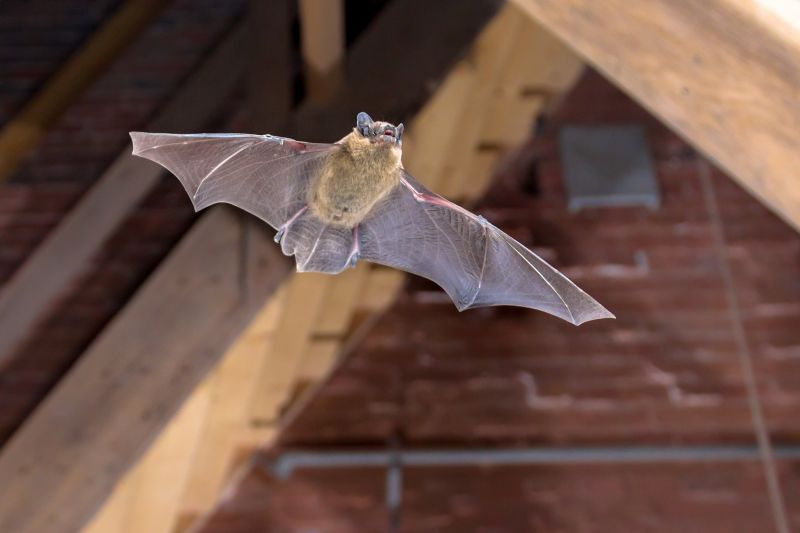
When evaluating contractors for bat infestation removal, it is important to consider their experience with similar projects. Homeowners should inquire about the types of bat removal jobs they have handled and whether they have dealt with issues involving health risks associated with bat colonies. An experienced service provider will be familiar with the best practices for safely and effectively removing bats while minimizing potential health hazards, such as exposure to droppings and potential disease transmission. This background can help ensure that the chosen contractor has the practical knowledge necessary to manage the complexities of bat infestations in homes.
Clear written expectations are essential when selecting a bat removal service. Homeowners should seek providers who can offer detailed descriptions of the scope of work, including inspection procedures, removal methods, and post-removal cleanup. Having this information in writing helps prevent misunderstandings and provides a transparent outline of what the process will involve. Service providers who communicate their process clearly demonstrate professionalism and a commitment to keeping clients informed, which can be especially important given the health risks involved in bat infestations and the importance of safe removal practices.
Reputable references and strong communication skills are key factors in choosing a reliable contractor. Homeowners are encouraged to ask for references from previous clients who had similar bat infestation issues. This feedback can provide insights into the contractor’s reliability, quality of work, and how well they communicate throughout the project. Good communication ensures that homeowners stay informed about the progress, any concerns that arise, and the steps taken to address health risks associated with bat colonies. Selecting a service provider with a solid reputation and clear, consistent communication can contribute to a smoother, more confident experience in resolving bat infestations safely and effectively.
Property owners often search for bat infestations in homes: health risks and safe removal when they are planning practical projects around their homes and businesses. Local pros provide Bat Infestation Removal services for everyday jobs and straightforward project options.

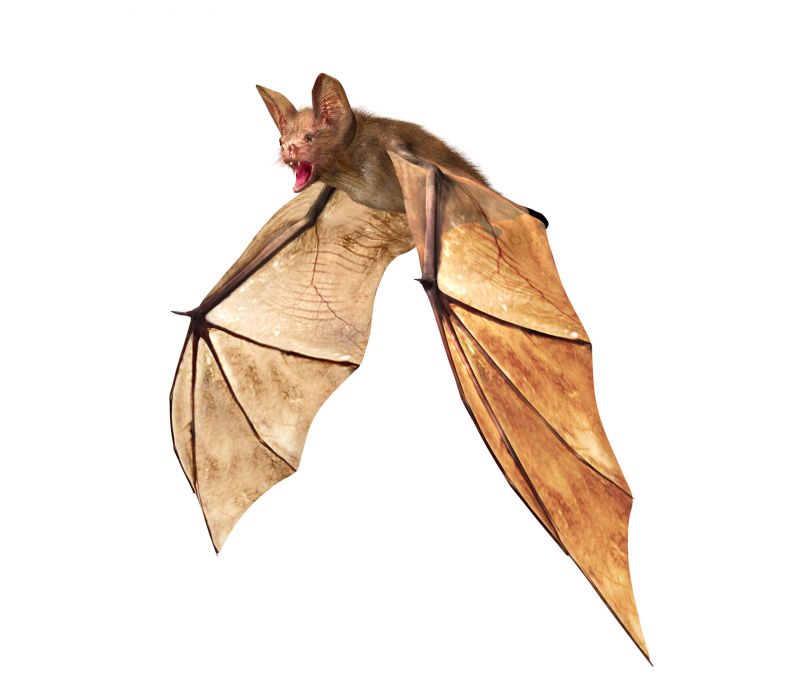
Bat infestations in homes can pose significant health risks, including the potential spread of diseases and exposure to harmful bacteria through droppings and urine. Property owners noticing signs of bats-such as droppings, strange odors, or noise in attics-may want to explore safe removal options to protect their household. Local contractors experienced in bat infestation removal can assess the situation, identify entry points, and carry out effective removal methods to ensure the bats are safely relocated without causing damage to the property.
Considering bat infestation removal services from local providers is a practical step for homeowners seeking a responsible solution. These service providers specialize in humane and effective removal techniques, helping to prevent future invasions and minimize health concerns. Property owners who find themselves facing this issue can compare local contractors to find experienced professionals capable of handling the job safely and efficiently.
What health risks are associated with bat infestations in homes? Bat infestations can pose health risks such as exposure to rabies, histoplasmosis from droppings, and respiratory issues caused by airborne particles. Local contractors experienced in bat removal can help eliminate these risks safely and effectively.
How do professionals handle the safe removal of bats from homes? Service providers use humane and safe techniques to remove bats, including sealing entry points and implementing exclusion methods to prevent future infestations. They ensure the process minimizes health hazards and property damage.
Why is it important to address bat infestations promptly? Prompt removal reduces health risks associated with bat droppings and potential disease transmission, while also preventing structural damage caused by nesting or droppings buildup. Local experts can assess the situation and recommend appropriate action.
Can bat droppings and debris be safely cleaned up after removal? Yes, trained professionals can safely clean and disinfect areas affected by bat droppings and debris, reducing health hazards and preventing mold growth or other issues related to contamination.
What steps do local contractors take to prevent future bat infestations? They identify and seal entry points, install exclusion devices, and advise on property modifications to prevent bats from re-entering the home, helping maintain a bat-free environment and reduce health risks.
Identify entry points - property owners can inspect their homes for small openings where bats may enter, and local contractors can assist with sealing these gaps safely.
Assess infestation areas - homeowners can observe signs of bat presence, such as droppings or odors, while professionals evaluate the extent of the infestation.
Implement safe removal methods - property owners can learn about humane exclusion techniques, with local service providers applying these methods to ensure safety and compliance.
Prevent future invasions - homeowners can take steps to bat-proof their homes by working with local pros to install barriers and maintain exclusion devices.
If you are thinking about bat infestations in homes: health risks and safe removal for a property, this guide is meant to help you understand this topic, the typical project types, and how different options might fit your plans.
When you are ready, you can use the quote form on this page to share a few details about your project. From there, local pros can review the basics and follow up with options that match what you have in mind.