
Signs Wildlife Has Moved Into Your Attic, Walls, or Crawl Space
If you notice signs wildlife has moved into your attic, walls, or crawl space, local service providers can help safely remove animals and prevent future invasions.
Discovering signs that wildlife has moved into your attic, walls, or crawl space can be an unsettling experience for property owners. These indications might include unusual noises, such as scratching or scurrying sounds, or the presence of droppings and nesting materials in hidden areas. Recognizing these signs early is important, especially in areas where wildlife encounters are common, as it can help prevent further damage to the structure and reduce health risks associated with animal waste or bites. Local service providers specializing in wildlife removal are equipped to assess the situation, safely remove any animals, and help prevent future invasions.
For property owners facing these challenges, connecting with experienced local contractors can provide peace of mind. These professionals understand the behaviors of local wildlife and know how to identify the telltale signs of an infestation. They can also offer practical solutions to seal entry points and ensure the space is secure. Keeping an eye out for these signs and seeking the help of local wildlife removal specialists can make a significant difference in maintaining a safe and comfortable home environment.
- Attic wildlife intrusion - homeowners noticing scratching sounds or droppings in the attic may need wildlife removal services, and local contractors can safely handle the removal process.
- Wall cavity activity - signs like gnaw marks or strange odors in walls often indicate animals have moved in, prompting local professionals to assess and address the problem.
- Crawl space disturbances - if you detect nesting material or unusual noises beneath your home, local service providers can identify and remove the wildlife safely.
- Unusual odors or droppings - persistent smells or droppings in hidden areas suggest wildlife presence, and local experts can help eliminate the infestation.
- Entry point identification - discovering holes or damage near rooflines or foundation vents may mean animals have gained access, with local pros ready to seal entry points and remove wildlife.
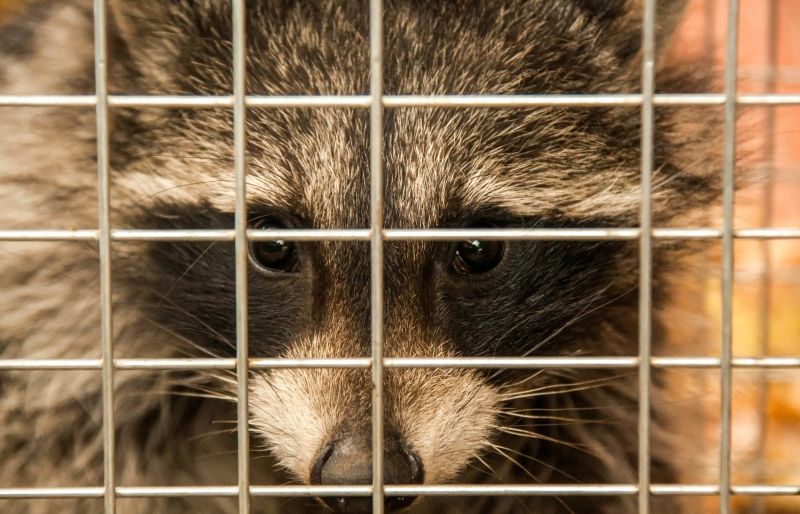
When homeowners notice unusual sounds, odors, or signs of damage in areas like the attic, walls, or crawl space, they often search for information about wildlife moving into these hidden spaces. This topic typically comes up when people observe scratching noises, scurrying sounds, or see droppings and nesting materials where they shouldn’t be. Such signs suggest that animals like raccoons, squirrels, bats, or rodents have taken up residence, prompting concerns about property damage, hygiene, and safety. Recognizing these indicators early can help property owners understand the need for professional wildlife removal services to address the problem effectively.
This issue is closely related to property maintenance and damage prevention plans. When wildlife moves into these concealed areas, they can cause structural damage by gnawing on wood, insulation, or wiring, which may lead to costly repairs if left unchecked. Additionally, many animals carry parasites or diseases that could pose health risks to residents. Homeowners often seek guidance on how to deal with these intruders, whether through humane removal or exclusion methods. Engaging with experienced wildlife removal service providers ensures that the animals are safely and humanely removed, and that entry points are sealed to prevent future invasions.
Properties most commonly affected by wildlife in these hidden spaces tend to be older homes, rural properties, or those with trees and shrubbery close to the foundation. Attics and crawl spaces are especially vulnerable because they offer dark, undisturbed environments that are difficult to access regularly. Homes with damaged soffits, vents, or poorly sealed gaps are more likely to attract animals seeking shelter. Commercial buildings and outbuildings can also experience similar issues if they have gaps or openings that provide easy access. Recognizing the types of properties prone to these issues helps homeowners understand the importance of regular inspections and professional help to keep their spaces secure.
Understanding the signs that wildlife has moved into your attic, walls, or crawl space connects directly to the need for professional wildlife removal services. These experts are equipped to identify subtle indicators like unusual odors, nesting materials, or animal droppings that homeowners might overlook. They can also assess the extent of the intrusion and recommend humane removal methods, as well as repairs to prevent future problems. Connecting with local service providers ensures that the wildlife issue is handled safely and efficiently, minimizing damage and health risks while restoring the security of the property.
Pest proofing services - these projects involve sealing entry points and preventing wildlife from re-invading your home, which is closely related to wildlife removal efforts in attics, walls, or crawl spaces.
Attic insulation installation - professionals in this area often handle insulation removal and replacement, a common step after wildlife has caused damage or contamination in these spaces.
Structural repairs and damage restoration - fixing holes, chewed wiring, or damaged wood is essential after wildlife intrusion, requiring skills similar to those used in wildlife exclusion.
Ventilation and ductwork services - wildlife presence can compromise ventilation systems, making these projects relevant for ensuring a safe and clean attic or crawl space environment.
Home inspection services - inspectors identify signs of wildlife activity and assess damage, providing a foundation for targeted wildlife removal and repairs.
Rodent-proofing and exclusion services - these projects focus on sealing and blocking entry points to prevent future wildlife problems, aligning with wildlife removal and prevention strategies.
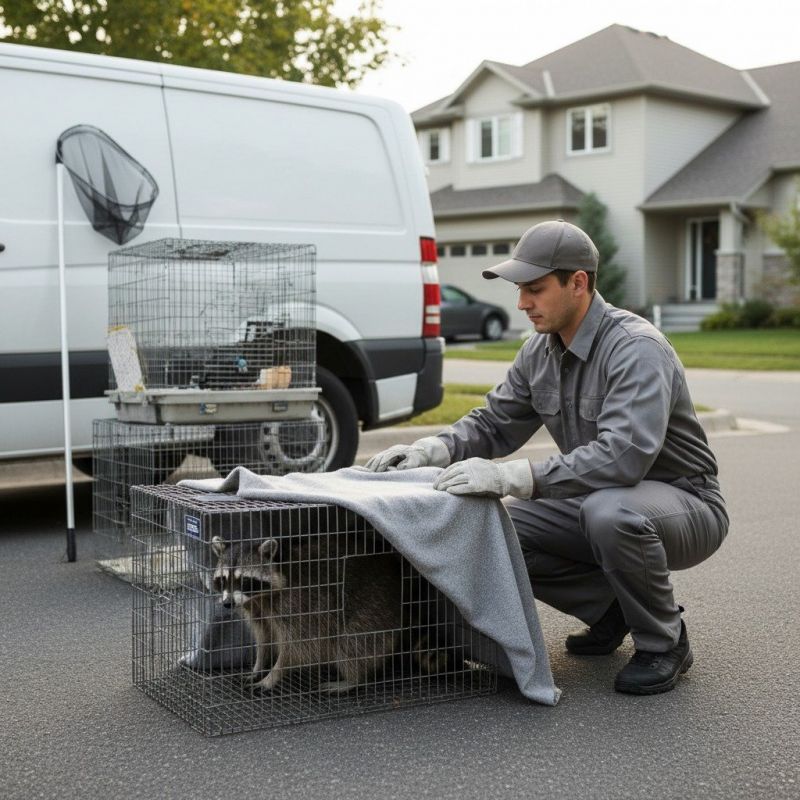
When comparing wildlife removal services, it’s important to consider the experience of local contractors with similar projects. Homeowners should seek out service providers who have a history of handling wildlife in attics, walls, or crawl spaces, as this indicates familiarity with common entry points and behaviors. An experienced professional can better identify signs wildlife has moved into your space and recommend appropriate removal and exclusion methods, reducing the risk of recurring issues. Asking about previous projects or requesting references can help gauge a contractor’s level of expertise and success in addressing wildlife intrusions similar to your situation.
Clear communication about expectations is essential when choosing a wildlife removal service. Homeowners should look for providers who are transparent about their process, including inspection procedures, removal techniques, and follow-up measures. A reputable contractor will explain what the job entails, what areas will be affected, and how they plan to prevent future wildlife entry. This clarity helps ensure that homeowners understand the scope of work and can make informed decisions about the services being offered, leading to a smoother experience and better results.
Reputable local contractors should also demonstrate good communication skills and a professional approach. This includes promptly addressing questions, providing detailed explanations, and maintaining transparency throughout the process. Reliable service providers often have established reputations for honest interactions and clear, written expectations, making it easier for homeowners to feel confident in their choice. Good communication ensures that homeowners remain informed about the progress and any necessary follow-up, which can be crucial when dealing with the complexities of wildlife removal from hidden or hard-to-access areas.
Property owners often search for signs wildlife has moved into your attic, walls, or crawl space when they are planning practical projects around their homes and businesses. Local pros provide Wildlife Removal services for everyday jobs and straightforward project options.
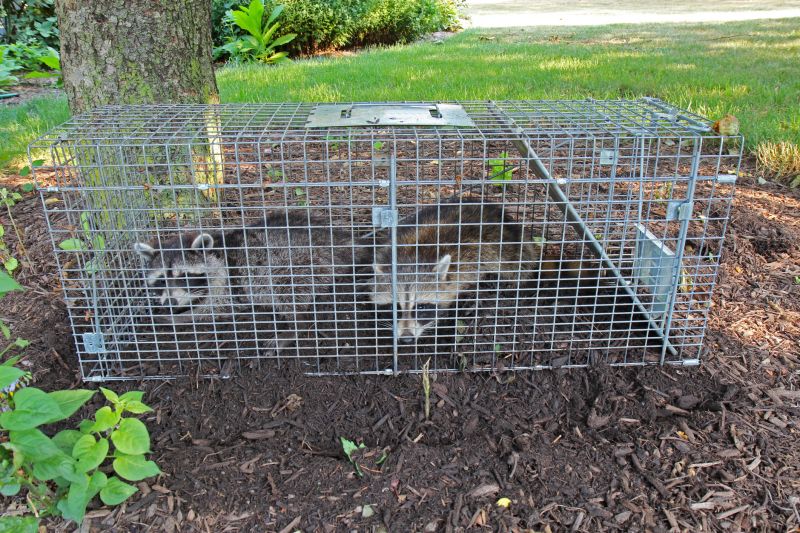
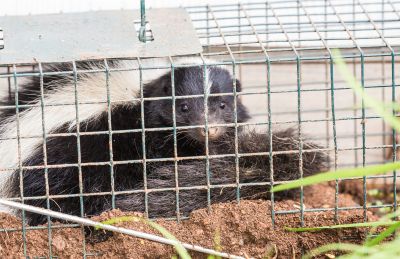
Recognizing signs wildlife has moved into your attic, walls, or crawl space is an important step in addressing potential issues before they become more serious. Common indicators include strange noises such as scratching, scurrying, or squeaking, especially during dusk or nighttime hours. You might also notice unusual odors, droppings, or stained areas around vents, soffits, or along the foundation. Property owners often find shredded insulation or chewed wires, which are clear signs that animals have taken up residence in hidden spaces within the home. When these signs appear, it’s advisable to seek assistance from local service providers experienced in wildlife removal to assess the situation and determine the best course of action.
Many property owners in the area become concerned when they detect signs wildlife has moved into their attic, walls, or crawl space, especially if the presence is ongoing or if there’s visible damage. These animals can include raccoons, squirrels, bats, or other critters that seek shelter in hard-to-reach areas. Since wildlife can cause damage to insulation, wiring, and structural elements, it’s important to address the problem promptly. Local contractors who specialize in wildlife removal have the knowledge and tools to safely and effectively handle these situations, helping to restore the integrity and safety of the property. Connecting with experienced service providers can ensure that the animals are removed humanely and that preventative measures are put in place to discourage future intrusions.
What are common signs wildlife has moved into your attic, walls, or crawl space? You may notice scratching sounds, droppings, or nests in these areas, which indicate animal activity. Local contractors can inspect and confirm if wildlife has taken residence inside your property.
How can I tell if animals are living in my walls or attic? Signs include unusual odors, chewed wiring, or visible damage to insulation and structures. Wildlife removal service providers can identify these signs and safely handle the removal process.
What should I do if I hear noises in my attic or crawl space? Hearing noises like scurrying or squeaking suggests wildlife presence. Connecting with local experts can help assess the situation and recommend appropriate removal methods.
Are droppings or nests visible clues of wildlife in my home? Yes, droppings, nesting materials, or chewed insulation are clear indicators. Local wildlife removal specialists can evaluate these signs and address the infestation.
Why is it important to have wildlife removed by professionals? Professionals have the experience to identify signs accurately and remove animals safely, preventing damage and health risks associated with wildlife in your home.
Identify unusual noises - listening for scratching, scurrying, or thumping sounds can help property owners recognize wildlife activity in hidden spaces.
Inspect for droppings and nesting materials - noticing droppings or shredded insulation indicates signs wildlife has moved into your attic, walls, or crawl space.
Look for damage or entry points - spotting holes, gnawed wiring, or damaged vents can guide property owners to areas where wildlife may have gained access.
Monitor for odors or smells - persistent musty or animal odors can be a sign that wildlife has moved into your attic, walls, or crawl space and are present inside.
If you are thinking about signs wildlife has moved into your attic, walls, or crawl space for a property, this guide is meant to help you understand this topic, the typical project types, and how different options might fit your plans.
When you are ready, you can use the quote form on this page to share a few details about your project. From there, local pros can review the basics and follow up with options that match what you have in mind.