
How Small Animals Impact Commercial Buildings and Business Operations
People searching for commercial small animal removal are typically looking to prevent damage and health risks caused by animals, and local service providers can effectively handle these issues.
Understanding how small animals impact commercial buildings and business operations is essential for property owners seeking to maintain a safe and efficient environment. Small animals such as rodents, birds, and other critters can cause significant issues, including structural damage, contamination, and disruptions that interfere with daily operations. Exploring this topic can help business owners recognize potential risks early, ensuring that any infestations are addressed promptly and effectively by local contractors experienced in small animal removal.
For property owners in the area, engaging with local service providers who specialize in small animal removal offers practical solutions to these challenges. These professionals can assess the situation, identify entry points, and implement humane removal methods that prevent future problems. Keeping small animals out of commercial spaces not only preserves the integrity of the building but also supports smooth and uninterrupted business operations. Continuing to learn about how small animals impact commercial buildings and business activities can empower owners to take proactive steps and connect with trusted local experts who can handle the job efficiently.
- Commercial building inspections for small animals - local contractors assess properties to identify signs of small animal intrusion that could disrupt operations.
- Exclusion services for small animals - service providers implement barriers and entry point repairs to prevent animals from accessing commercial spaces.
- Wildlife removal for commercial properties - local pros safely remove small animals causing damage or health risks within business premises.
- Damage repair related to small animals - contractors address structural and insulation damage caused by small animals to restore building integrity.
- Prevention consultations for small animals - experts advise businesses on measures to minimize the risk of future small animal infestations impacting operations.
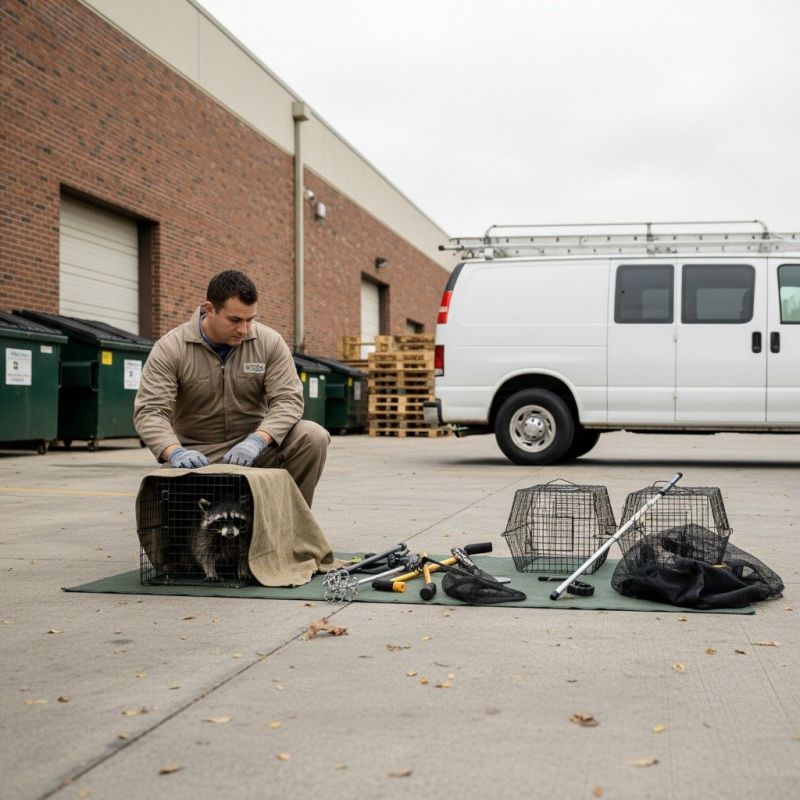
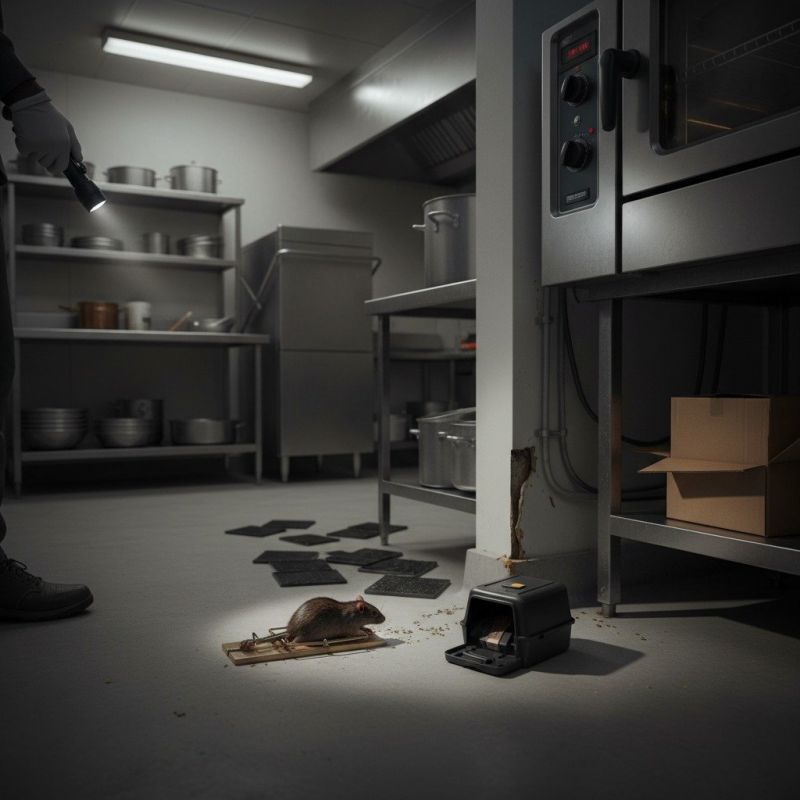
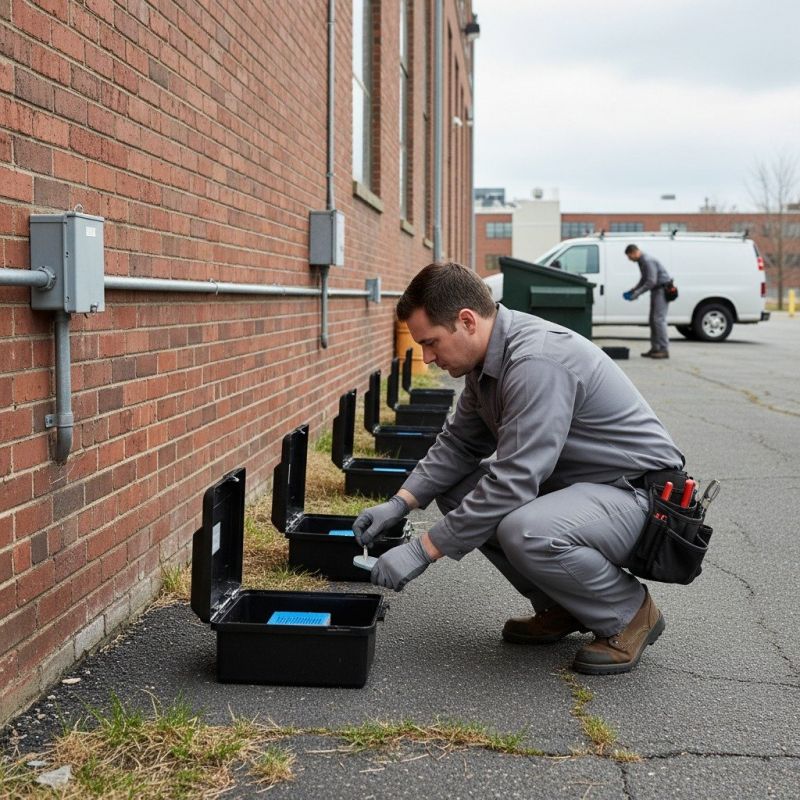
When people search for information on how small animals impact commercial buildings and business operations, they are often concerned about the potential damage and disruptions caused by these creatures. Small animals such as rodents, squirrels, or raccoons can find ways into structures, leading to issues like chewed wiring, insulation damage, and contamination of stored goods. Business owners and property managers want to understand the risks posed by these animals, especially since the presence of pests can compromise safety, lead to costly repairs, and disrupt daily operations. This search typically reflects a desire to prevent or address infestations before they escalate into larger problems that affect the building’s integrity or the business’s reputation.
This topic is closely related to planning and problem-solving around pest control and property maintenance. Many property owners consider how to implement effective exclusion strategies, regular inspections, or humane removal methods to keep small animals out of their buildings. In some cases, the focus may be on addressing an existing infestation, while in others, the goal is to prevent future issues. Small animals can also influence decisions about building repairs or modifications, such as sealing entry points or installing barriers. Business operations are impacted when animals interfere with equipment, cause health hazards, or create noise and messes that hinder employees or customers.
The types of properties most often associated with this concern include commercial warehouses, retail stores, office buildings, restaurants, and manufacturing facilities. These properties are typically larger, often have storage areas, or contain food products, making them attractive to small animals seeking shelter or food sources. Industrial sites with less frequent maintenance or older structures with gaps and openings are also common locations where small animals can gain entry. For property owners or managers, understanding the specific risks associated with these property types helps in planning effective animal exclusion and removal strategies to safeguard their business operations.
Local service providers specializing in small animal removal are essential partners in managing these issues. They offer practical solutions to identify entry points, safely remove animals, and implement preventative measures tailored to each property’s needs. Whether dealing with an active infestation or seeking to prevent future problems, these pros can help ensure that small animals do not cause ongoing disruptions or damage. Connecting with experienced local contractors provides a practical step toward maintaining a safe, clean, and operational commercial environment, free from the complications that small animals can introduce.
Wildlife exclusion projects involve installing barriers and deterrents to prevent small animals from entering commercial buildings, similar to how small animal removal services secure structures to protect business operations.
Pest proofing initiatives focus on sealing entry points and implementing preventative measures, paralleling small animal exclusion efforts that help minimize damage and disruptions in commercial settings.
Building inspection and assessment projects require evaluating structural vulnerabilities and identifying entry points, skills that are essential for both animal-proofing buildings and addressing how small animals impact commercial properties.
Rodent control programs involve targeted trapping and removal strategies, which align with the techniques used by local contractors to manage small animals affecting business operations.
Structural repair and reinforcement projects aim to fix damage caused by small animals or prevent future issues, similar to the repair work needed after small animals compromise building integrity.
Wildlife habitat modification projects focus on altering surrounding environments to reduce attractants, a tactic that complements small animal exclusion efforts to protect commercial buildings.
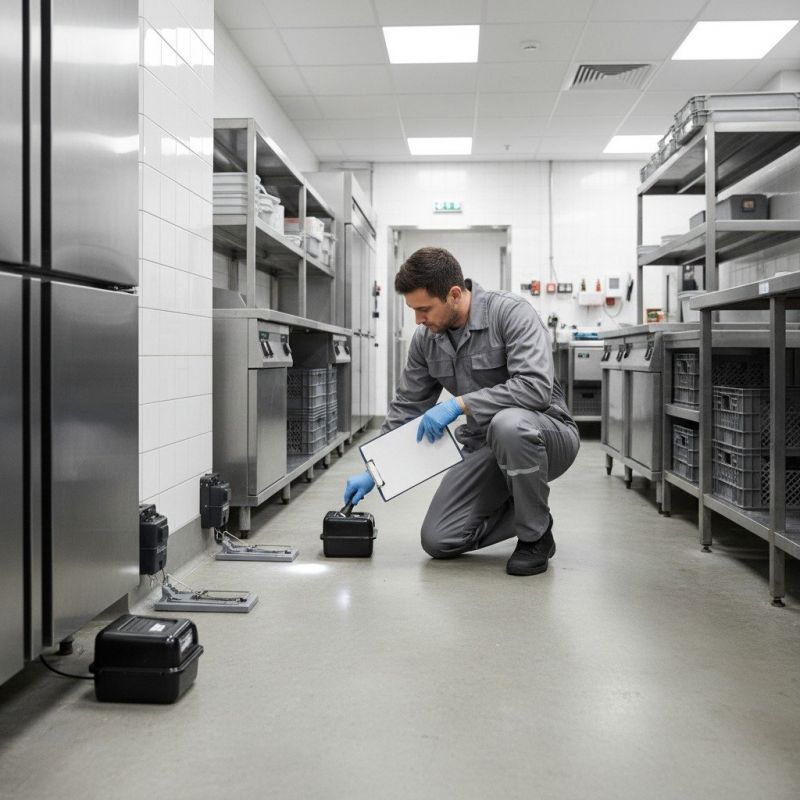
When evaluating service providers for small animal removal in commercial settings, it is important to consider their experience with similar projects. A contractor with a proven track record handling small animal issues in commercial buildings will have a better understanding of the unique challenges involved, such as access points, building structures, and business operations. This experience can help ensure that the removal process is efficient and minimizes disruption to daily business activities. Requesting information about past projects or references related to commercial small animal removal can provide insight into their familiarity with the scope and complexity of such work.
Clear, written expectations are essential when comparing local contractors for small animal removal services. A detailed scope of work outlining the process, responsibilities, and any follow-up measures helps prevent misunderstandings and sets a standard for quality. Reputable service providers will be transparent about what their work entails and what clients can expect throughout the project. This clarity allows business owners to assess whether the contractor’s approach aligns with their operational needs and ensures that all aspects of the removal and prevention process are thoroughly addressed.
Effective communication is a key factor in selecting the right local contractor for small animal removal. Service providers who prioritize clear, prompt, and thorough communication can better address questions, provide updates, and adapt to any unforeseen issues that may arise during the project. Good communication also fosters a collaborative relationship, making it easier to coordinate around business hours and minimize operational disruptions. When comparing options, it is helpful to consider how each contractor communicates, as this can significantly influence the overall experience and success of the small animal removal process.
Property owners often search for how small animals impact commercial buildings and business operations when they are planning practical projects around their homes and businesses. Local pros provide Commercial Small Animal Removal services for everyday jobs and straightforward project options.
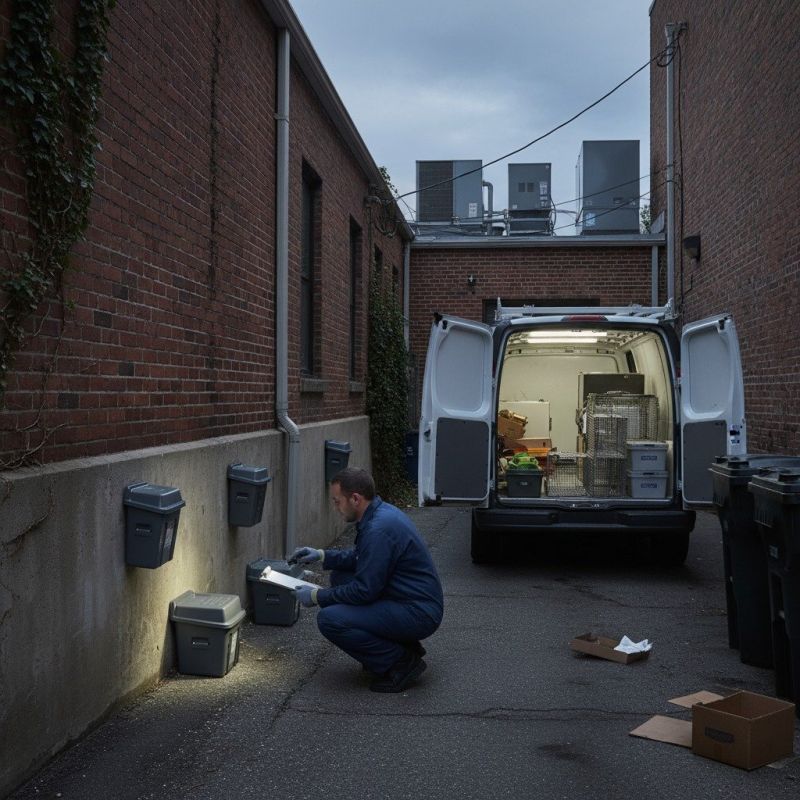
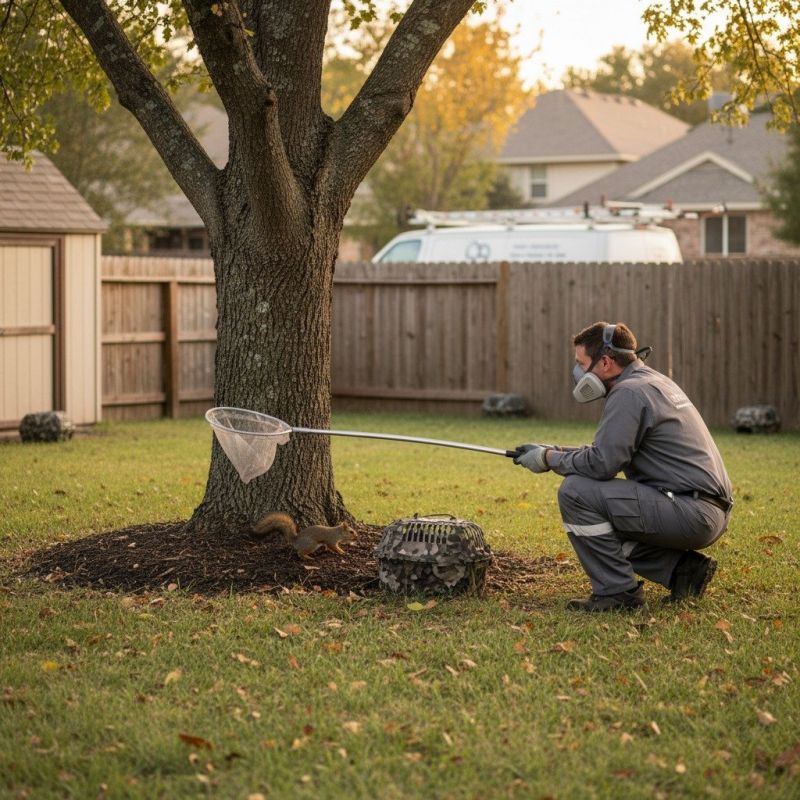
Small animals such as rodents, birds, and insects can cause significant disruptions to commercial buildings and business operations. Their presence often leads to damage in insulation, wiring, and structural components, which can result in costly repairs and potential safety hazards. Additionally, infestations may lead to unpleasant odors, contamination of stored goods, and increased cleaning requirements, all of which can interfere with daily business activities and customer experiences.
Property owners in the area might seek out commercial small animal removal services when they notice signs of intrusion, such as droppings, nesting materials, or unusual noises. Engaging with experienced service providers ensures that small animals are safely and effectively removed, helping to minimize damage and prevent future issues. Local contractors who specialize in small animal removal can offer practical solutions to protect the integrity of commercial spaces and maintain smooth business operations.
How do small animals affect commercial buildings? Small animals can cause structural damage, such as chewed wiring and insulation, which may lead to costly repairs and operational disruptions in commercial properties.
What risks do small animals pose to business operations? They can create health hazards through droppings and nesting materials, potentially leading to contamination and health code violations that impact daily business activities.
Why is it important to address small animal infestations promptly? Early removal helps prevent extensive damage, reduces health risks, and minimizes the likelihood of animals returning and causing ongoing problems.
How can local service providers help with small animal removal? They can identify entry points, safely remove animals, and implement exclusion measures to protect the building and maintain smooth operations.
Are small animals likely to return after removal? Without proper sealing and exclusion efforts by professionals, animals may find ways to re-enter, leading to recurring issues that can disrupt business activities.
Identifying entry points - property owners can work with local contractors to inspect buildings for small animal entry points, preventing future infestations.
Implementing exclusion techniques - small animal removal services can help seal off access areas, reducing the risk of ongoing damage and disruptions.
Removing existing infestations - professionals can safely and effectively remove small animals that threaten building integrity and business operations.
Preventing property damage - engaging local pros to address small animal activity helps protect wiring, insulation, and structural components from harm.
If you are thinking about how small animals impact commercial buildings and business operations for a property, this guide is meant to help you understand this topic, the typical project types, and how different options might fit your plans.
When you are ready, you can use the quote form on this page to share a few details about your project. From there, local pros can review the basics and follow up with options that match what you have in mind.